
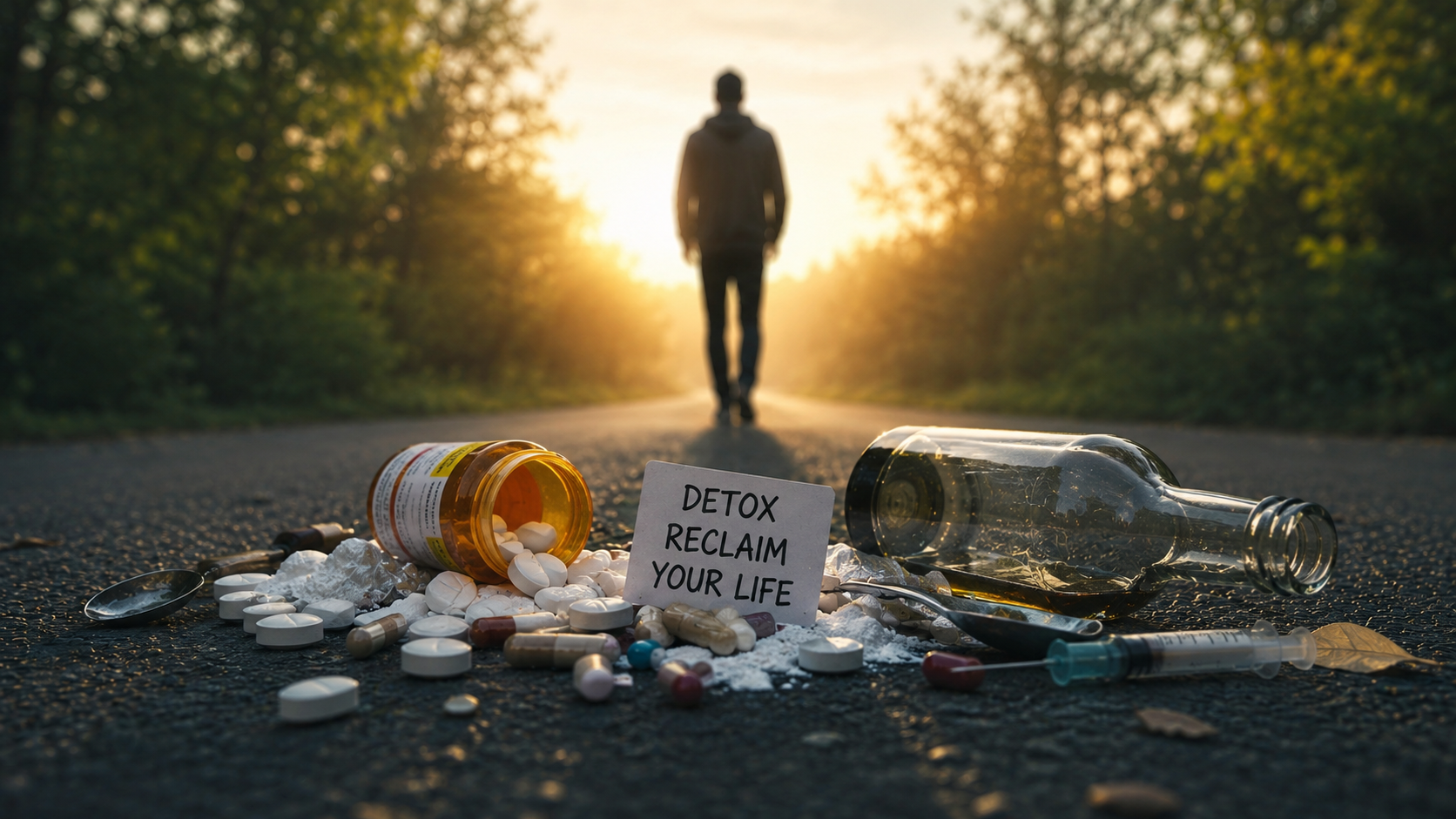
Understanding Detox: A Safe First Step Toward Recovery
For many people struggling with alcohol or substance use, the word detox can feel scary. Fear of withdrawal symptoms, uncertainty about the process, and not knowing what to expect often prevent people from reaching out for help. Families may also feel overwhelmed when trying to support a loved one who may need treatment.
The good news is that detox is designed to help people safely begin recovery with medical support, comfort, and care.
And detox is of vital importance. “According to the National Institute on Drug Abuse, nearly 21.2 million Americans needed substance use treatment in 2022, but only 13% received it.”
What Is Detox?
Detoxification, or detox, is the process of clearing drugs or alcohol from the body. When someone has been using substances regularly, the body can become physically dependent on them. Once the substance is removed, withdrawal symptoms can occur as the body adjusts.
Detox is often the first step in addiction treatment because it helps stabilize a person physically and emotionally before continuing with long-term recovery programs.
Common Withdrawal Symptoms
Withdrawal symptoms can range from mild to severe depending on the substance used, how long it was used, and the person’s overall health.
Some common symptoms include:
- Nausea or vomiting
- Sweating and shaking
- Anxiety or panic attacks
- Trouble sleeping
- Mood swings or irritability
- Headaches and fatigue
- Increased heart rate or blood pressure
In more serious cases, especially with alcohol withdrawal, people may experience seizures, hallucinations, or severe confusion. This is why medical supervision during detox is strongly recommended.[1]
What Happens During Detox?
Most detox programs follow a similar process designed to keep clients safe and comfortable.
During detox, individuals may receive:
- A full medical and mental health evaluation
- 24/7 monitoring and support
- Medications to ease withdrawal symptoms
- Hydration and nutrition support
- Emotional support and education about recovery
Medical professionals use personalized treatment plans to help reduce discomfort and lower the risk of dangerous complications.
Why Medical Detox Matters
Trying to quit alcohol or drugs “cold turkey” at home can be risky, especially for people with long-term or heavy substance use. If one were to go “cold turkey” for an alcohol detox, this could actually trigger seizures, hallucinations, or even a coma. Medically supervised detox provides a safer environment where healthcare professionals can respond quickly if complications occur.
Detox also helps prepare individuals for the next stage of recovery, which may include:
- Inpatient treatment
- Outpatient programs
- Individual counseling
- Group therapy
- Family support services
- Relapse prevention planning
Recovery Doesn’t End After Detox
Detox is an important beginning, but it is not a cure for addiction. Long-term recovery often involves continued treatment, support systems, and addressing underlying mental health or emotional challenges connected to substance use.
Families can also play a major role in recovery by offering encouragement, patience, and understanding throughout the process.
If you or a loved one may need detox, reaching out for professional help can be the first step toward a healthier and more stable future.
References:
- Substance Abuse and Mental Health Services Administration (SAMHSA): 2022 National Survey on Drug Use and Health (NSDUH) Releases
- Addiction Center. “Drug and Alcohol Detox.” Accessed May 21, 2026. https://www.addictioncenter.com/treatment/drug-and-alcohol-detox/
